Galvanic Isolation
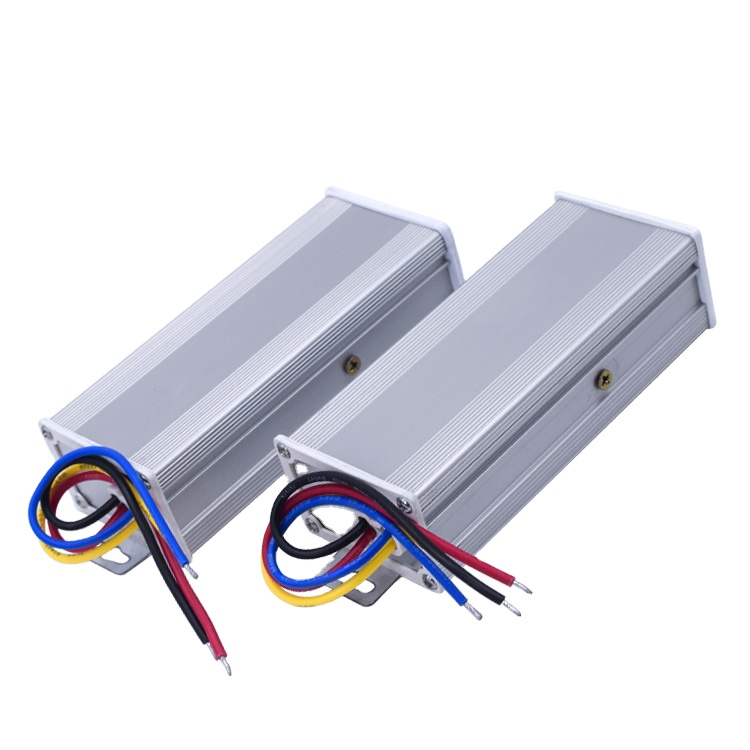
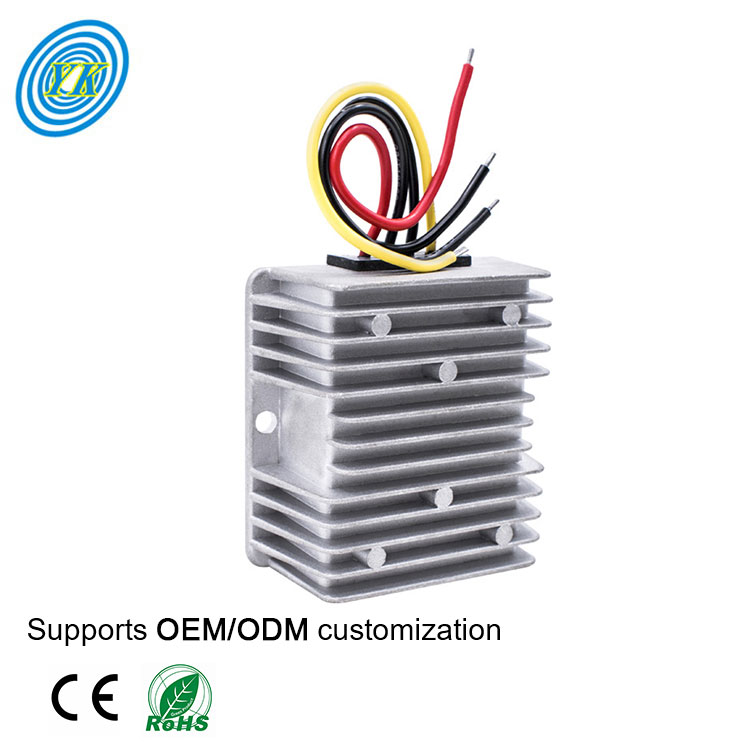
DC40-135 to DC12V 10A 120W Isolated Converter
- Topology:Isolated Buck
- Input Span:40V–135V DC
- Efficiency:≥ 93.5%
- Ingress Rating:IP67 Waterproof
Tested for severe vibration, thermal cycling, and high EMI operating conditions. Tailored for Tier-1 supply chains in Gwangju's emerging robotics and mobility sectors.
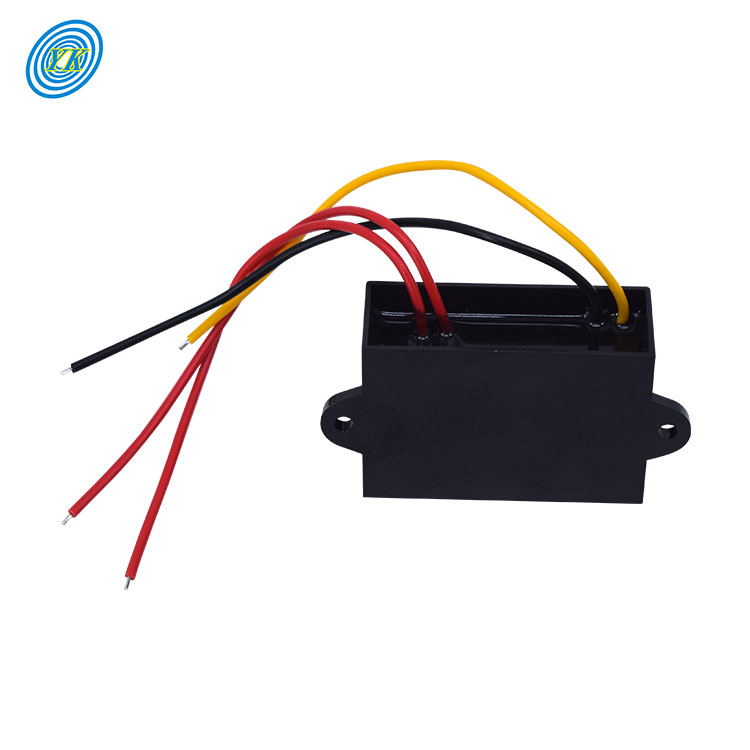
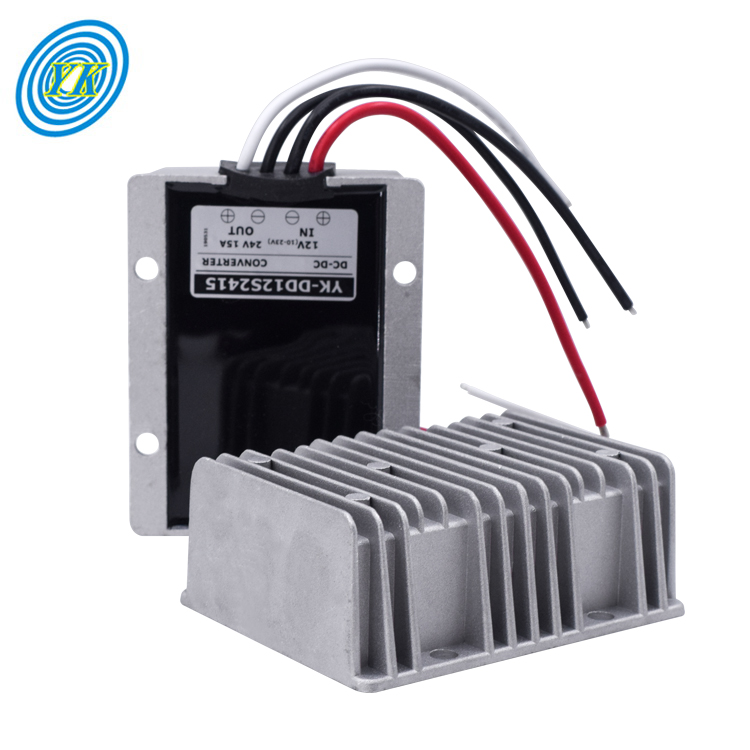
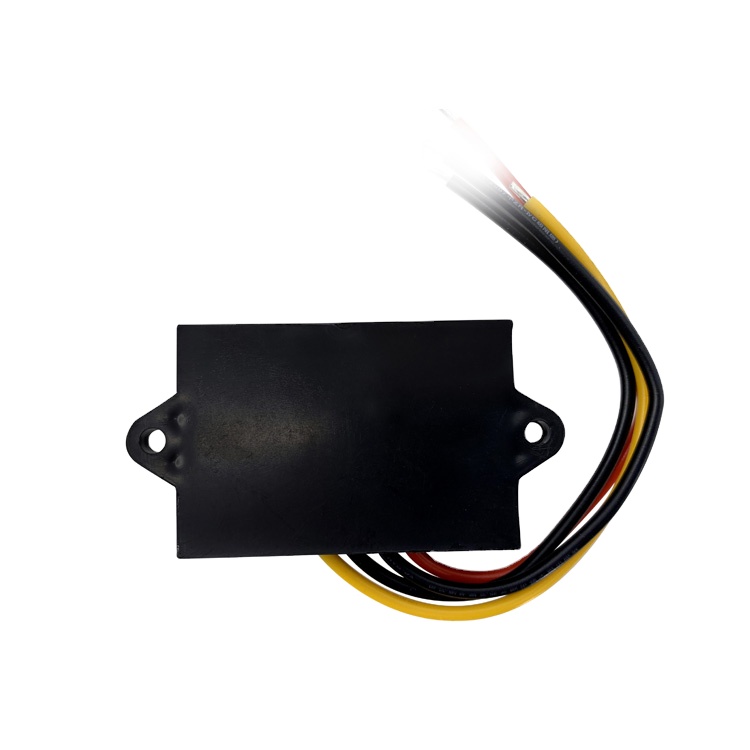
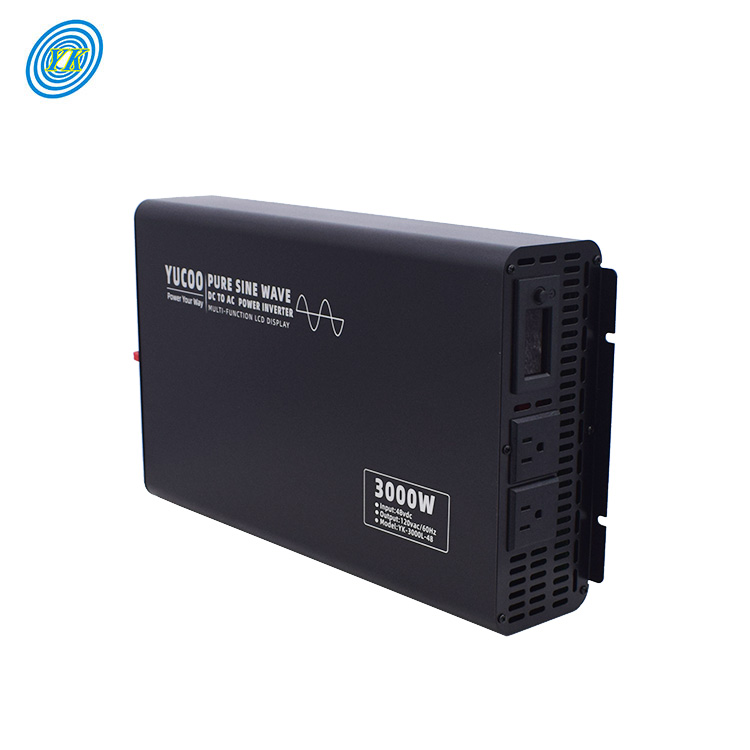
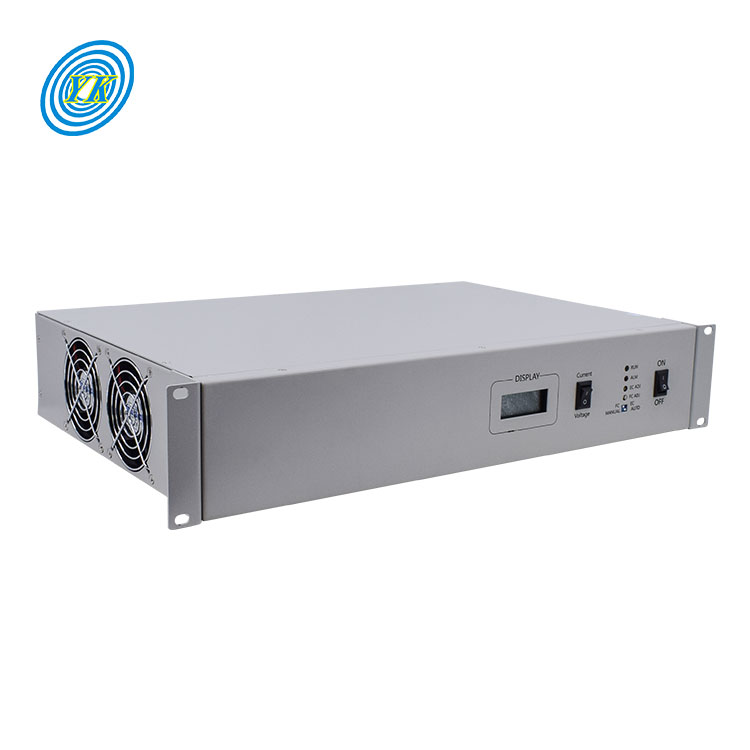

Gwangju Metropolitan City (광주광역시) has evolved into one of Northeast Asia’s leading advanced manufacturing corridors. Defined by monumental investments such as the Gwangju Global Motors (GGM) smart manufacturing complex, the Bitgreen Industrial Complex (빛그린국가산업단지), and adjacent energy clusters in Naju Innovation City (나주 빛가람 혁신도시), Gwangju demands extreme reliability from electronic power hardware. As regional industries pivot rapidly toward autonomous intralogistics, commercial electric vehicles, and microgrid solar storage, high-density DC-DC converters represent a cornerstone technology ensuring smooth, uninterrupted voltage translation.
In electrical drive environments, transient voltage spikes, inductive back-EMF, and harmonic injection create severe operational hazards for sensitive control circuitry. Deploying generic non-isolated voltage step-downs frequently results in high-cost downtime, premature logic board failures, and unexpected bus trip-outs. Varnix Technology delivers specialized OEM and ODM power engineering specifically tuned for these challenging field dynamics. Whether stepping down 48V/72V traction battery lines down to 12V/24V telemetry and sensor arrays or delivering isolated high-amperage lines to embedded microcontrollers, our converter architectures provide continuous, ripple-suppressed power that shields critical infrastructure.
Warehouse automation across Gwangju's automated supply networks relies on stable 24V or 48V LiFePO4 battery banks. Varnix buck-boost units stabilize supply lines when large propulsion motors engage, protecting LiDAR, vision sensors, and IPC modules from sudden brownout dips.
Situated in South Jeolla’s expansive renewable zone, regional solar and BESS installations utilize our wide-input isolated converters (up to 135VDC). They step down variable string voltages directly to clean 12V/24V for remote SCADA stations, RTUs, and environmental monitoring systems.
Gwangju’s advanced photonics cluster (한국광기술원 ecosystem) requires power conversion with ultra-low output ripple and zero audible micro-resonance. Our IP67 encapsulated modules supply clean 5V and 12V power to outdoor optical monitoring hubs without introducing optical or RF noise.
Specifying a DC-DC converter for industrial integration requires balancing thermal resistance, galvanic protection, switching topology, and dynamic step response. Korean engineering procurement teams frequently weigh the trade-offs between synchronous non-isolated buck topologies and galvanically isolated push-pull/forward architectures. Below is the Varnix engineering framework applied during ODM design stages to maximize MTBF in extreme operating conditions.
| Conversion Topology | Isolation Rating | Typical Efficiency | Primary Industrial Use-Case | Key Protection Built-Ins |
|---|---|---|---|---|
| Synchronous Step-Down (Buck) | Non-Isolated (Common Ground) | 94% – 97% | Fleet vehicle telematics, accessory step-downs (24V to 12V), LED driver buses. | Short-circuit, over-current thermal shutdown, input reverse polarity clamp. |
| Galvanic Isolated Forward/Flyback | 1500VDC to 3000VDC | 88% – 93% | BESS balance-of-plant, high-voltage battery arrays (48V–135V), sensitive PLC lines. | Optocoupler feedback, primary-to-secondary ground loop isolation, spark gap protection. |
| Four-Switch Buck-Boost | Non-Isolated / Isolated Opt. | 91% – 95% | Unstable battery systems (12V/24V lead-acid/lithium cranking cycles), marine electronics. | Under-voltage lockout (UVLO), transient surge suppression (TVS), dynamic slope control. |
| Industrial High-Amp Rectification | Full Transformer Isolation | 90% – 94% | Anodizing/electroplating vats, large automated battery testing racks, DC bus charging. | Active power factor correction (PFC > 0.98), phase-loss safety, remote CV/CC trims. |
Our engineering lines utilize surface-mount planar transformers, Class-H high-temperature winding wire, and military-grade silicone potting. This construction completely eliminates air voids, achieving comprehensive IP67 water and dust ingress ratings while providing uniform heat conduction to the heavy-gauge aluminum heat-sink chassis. As a result, installations inside unventilated control boxes or under-chassis vehicle bays operate reliably up to 85°C ambient without derating.
We eliminate trading intermediaries by operating direct design-to-assembly manufacturing pipelines backed by rigorous on-site verification.
Our 1,229 m² manufacturing facilities feature 10+ operational assembly and test lines. Each production run is governed by strictly audited Quality Management Systems, with trace codes applied down to raw capacitor and MOSFET component batches.
From non-standard input voltage spans (e.g., 36V–160V railway inputs) and custom potting profiles to custom terminal block wiring harnesses (Deutsch, Anderson, M12) and customized branding plates, our engineering squad adapts hardware to your mechanical envelope.
With established export lanes spanning FOB, CIF, and DDP to Incheon / Busan ports or Gwangju bonded zones, we provide frictionless logistics management, export declarations, and all required compliance paperwork (KC test documentation, CE, RoHS).
As South Korea executes its National Green New Deal and accelerates smart factory upgrades across the Honam district, the technical requirements for DC-DC power converters are undergoing three transformative shifts:
1. Wide-Bandgap Semiconductor Integration (GaN & SiC): Silicon Carbide (SiC) and Gallium Nitride (GaN) switching components are rapidly replacing conventional silicon MOSFETs in our high-power converters. For Gwangju's robotics builders, this shifts conversion efficiencies above 96%, dramatically downsizing thermal sinks, cutting converter mass by up to 40%, and liberating crucial cargo space in compact AGV designs.
2. Transition from Lead-Acid to Dynamic Lithium Chemistry: Material handling operations in automotive assembly facilities are phasing out heavy lead-acid traction blocks in favor of high-energy-density LiFePO4 and NMC packs. Because lithium discharge curves maintain steady voltage before sharp cut-offs, DC-DC converter inputs must handle broad operational margins without toggling low-voltage dropouts. Varnix converters offer ultra-wide dynamic input ranges (such as 9V–34V and 40V–135V) specifically configured to prevent false shutdowns.
3. Intelligent Telemetry and Modbus/CAN Bus Integration: Power converters are no longer isolated black-box modules; they are becoming intelligent nodes on internal communication networks. Next-generation Varnix designs provide auxiliary RS485 / CAN telemetry, feeding real-time internal temperature, current draw, and ripple health data back to central PLCs for predictive maintenance.
Answers to common questions from South Korean engineering teams, supply chain officers, and industrial hardware importers.