23+
Years Engineering Pedigree
96.4%
Peak Conversion Efficiency
IP67
Maritime-Grade Enclosures
ISO 9001
SGS Onsite Audited Facility
Factory-Engineered Catalog
Specialized Chargers, Converters & DC Power Modules
Precision-engineered for harsh industrial conditions, high galvanic isolation, and specialized vehicular DC topologies in maritime and logistics hubs.

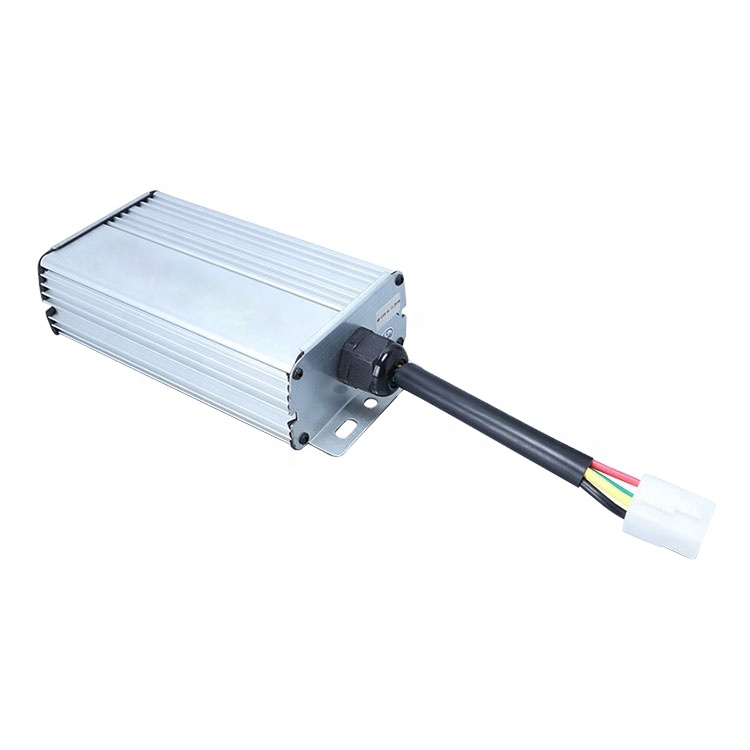
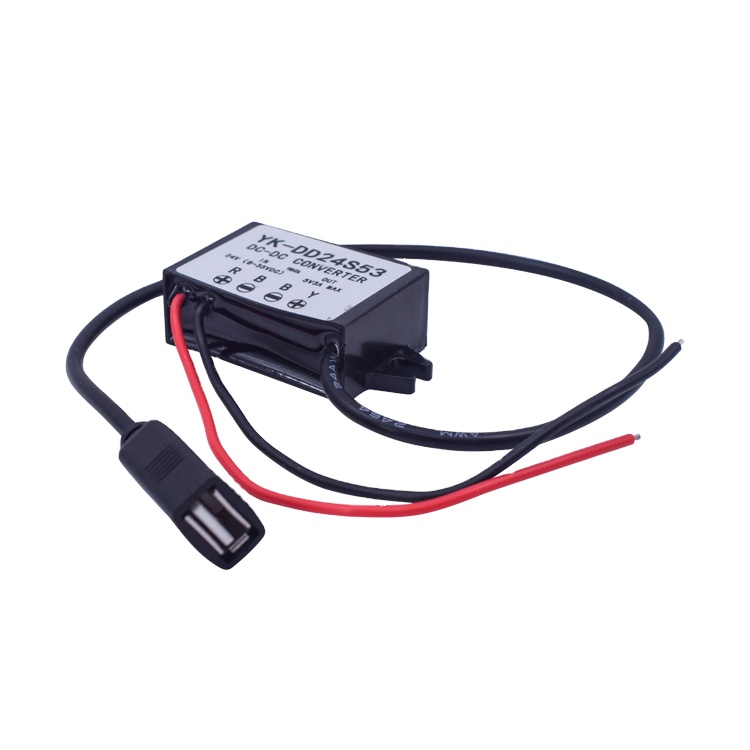
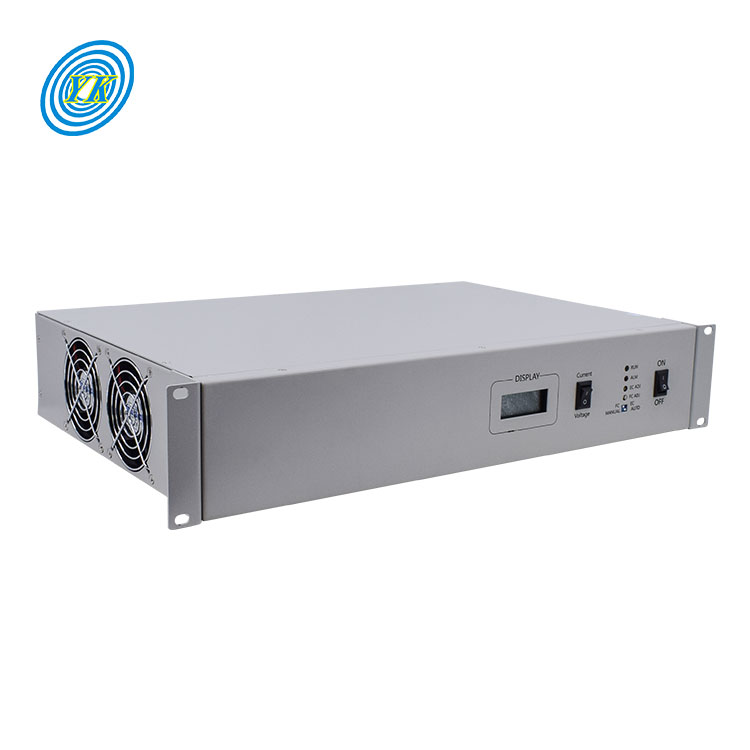
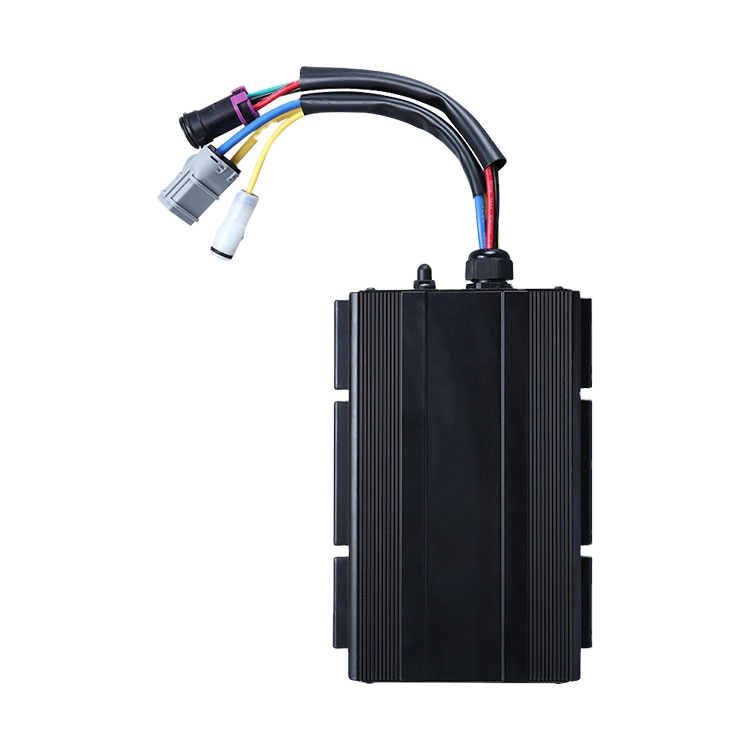
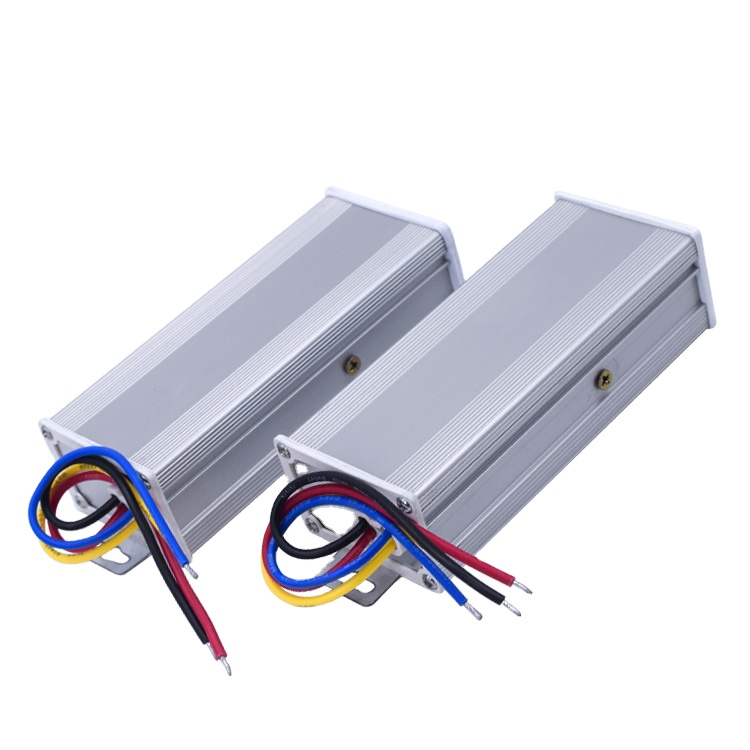
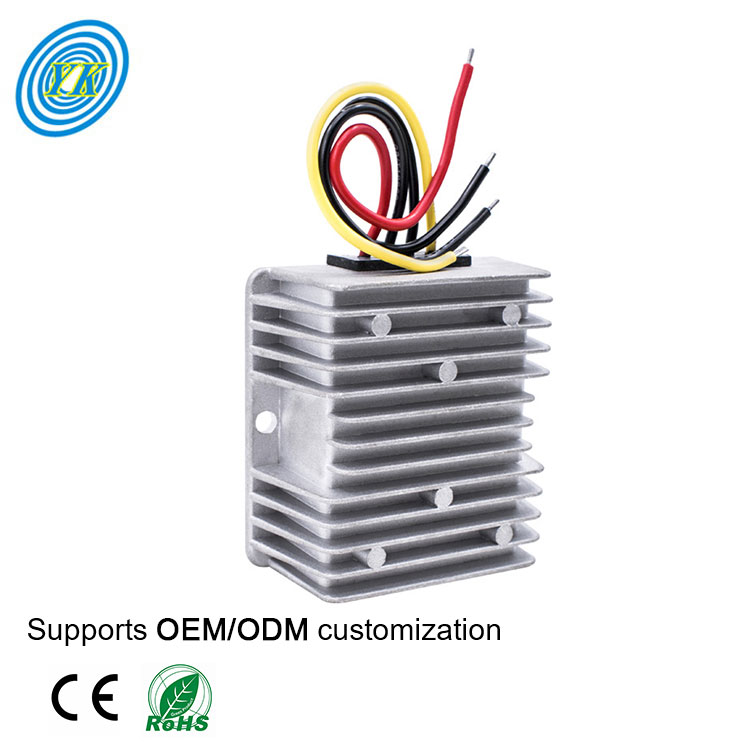
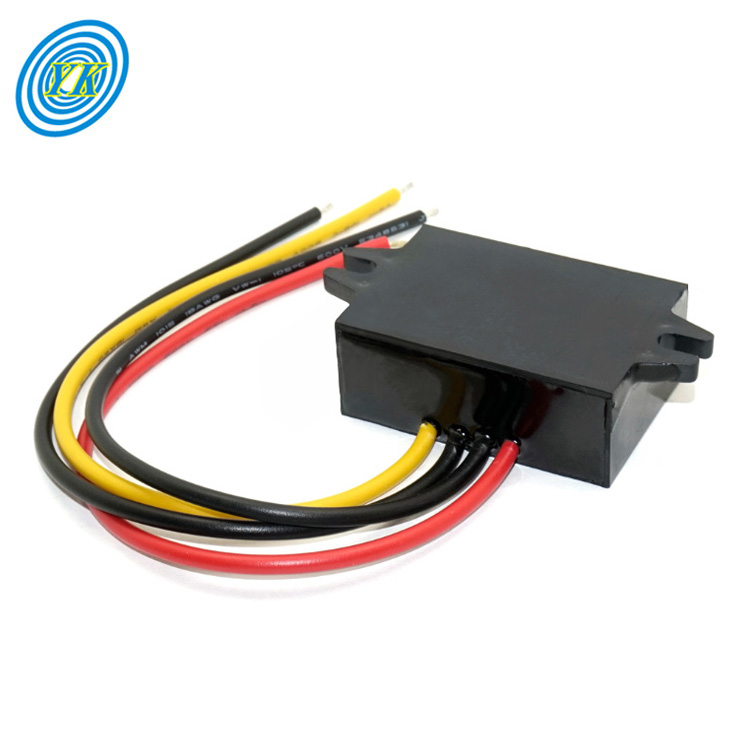
Technical Whitepaper: Smart Battery Charging Architectures for Industrial Hubs
In modern electrical systems serving logistics nodes and coastal industrial regions such as Burgas, off-the-shelf commercial battery chargers routinely suffer premature thermal breakdowns, electrolytic cap degradation, and high harmonic distortion. True original equipment manufacture (OEM) and original design manufacture (ODM) of industrial smart charging units requires deep convergence of microprocessor-driven multistage charge profiles (CC/CV/Floating/Equalization) with robust topologies like LLC resonant half-bridge convertors and Phase-Shifted Full-Bridge (PSFB) zero-voltage-switching (ZVS) topologies.
A smart charger must act as an active, communicative node within the broader automation ecosystem. By combining high-frequency switching rectifiers with integrated CAN-bus (J1939 or CANopen) and RS485 Modbus telemetry, the smart charger interacts in real-time with the target Battery Management System (BMS). It continually monitors individual cell internal resistance (IR), localized thermodynamic deltas (ΔT/Δt), and cumulative State-of-Health (SoH). This prevents the dreaded thermal runaway scenarios prevalent in lithium-iron-phosphate (LiFePO4) installations, while curtailing plate sulfation within traditional industrial flooded or valve-regulated lead-acid (VRLA) batteries.
Engineering Equation for Thermal Flux & Active Duty Adaptation:
P_loss = I_rms² × R_ds(on) + (E_on + E_off) × f_sw + V_f × I_avg
Dynamic firmware mitigation: f_sw throttling occurs dynamically when heatsink thermistors exceed 85°C.
P_loss = I_rms² × R_ds(on) + (E_on + E_off) × f_sw + V_f × I_avg
Dynamic firmware mitigation: f_sw throttling occurs dynamically when heatsink thermistors exceed 85°C.
Furthermore, marine and coastal logistics infrastructure must operate under aggressive airborne salinity and high relative humidity. Standard consumer converters utilize phenolic circuit boards without protective encapsulation. As an ISO 9001:2015 verified power electronics manufacturer with over two decades of dedicated R&D, our OEM/ODM smart charger platforms rely on automated polyurethane potting, CNC-milled structural aluminium housings with IP67 ingress sealing, and military-grade vacuum impregnation of magnetic chokes to eliminate destructive salt-fog bridging.
Application Engineering
Localized Deployment Paradigms in the Burgas Economic Zone
Targeted power conversion and automated charging systems developed specifically for coastal infrastructure, freight mobility, and regional renewable interties.
Port of Burgas & Maritime Terminals
Container handling terminal machinery, shore-to-ship DC auxiliary power, and automated guided transport (AGVs). Smart chargers must withstand cyclic marine salt spray, continuous mechanical vibration, and 400VAC three-phase unbalanced grid spikes.
Heavy Industrial Logistics & Warehousing
High-duty 24V, 48V, and 80V electric counterbalanced forklifts, scissor lifts, and order pickers inside regional distribution yards. Demands rapid opportunity-charging algorithms without inducing battery overheating or cell unbalancing.
Petrochemical Infrastructure & Utility Sub-stations
Continuous uninterrupted DC auxiliary buses (110V/220V) for refinery switchgear control, scada telemetry, and emergency reserve arrays. Demands N+1 redundant hot-swappable switching rectifiers certified for high electromagnetic immunity.
Coastal Solar-Storage Microgrids
Off-grid and grid-tied hybrid PV installations across coastal resorts and rural infrastructure. MPPT controllers integrated with DC-DC charging platforms provide seamless transition across wide temperature fluctuations from -25°C winter to +55°C summer.
Regional Transformation: Electrification Trends in Burgas & Southeastern Europe
The municipality of Burgas has progressively positioned itself as one of southeastern Europe's prime testbeds for carbon-neutral transport, urban e-mobility, and modernized harbor operations under European Union Green Deal directives. This structural pivot presents distinct engineering challenges and procurement requirements across commercial power electronics:
1. Transition from Wet-Cell Lead-Acid to High-Density LiFePO4 / LTO
Older industrial distribution warehouses in the Burgas industrial zones (North & South) are transitioning away from conventional lead-acid batteries. The accelerated charging cycles of Lithium Iron Phosphate (LiFePO4) and Lithium Titanate (LTO) demand intelligent power conversion units with millivolt-level cut-off precision, low ripple rates (< 1%), and direct digital communication over isolated CAN buses.
2. Harsh Marine Environmental Hardening Standards
Given the close proximity to the Black Sea, salt corrosion along with condensation-driven short circuits constitutes the single largest cause of electronic warranty RMA claims in the region. Engineering specifications must abandon typical commercial designs in favor of conformal coated surface-mount devices (SMD), IP65/IP67 sealed die-cast enclosures, and stainless-steel hardware to survive long-term exposure.
3. Grid Resilience and Wide Harmonic Distortion Filtering
Industrial power grids subject to heavy harmonic contamination, intermittent sags, and transient surges require advanced power factor correction (active PFC > 0.99) and universal wide AC input ranges (90V to 264VAC). This shields charging electronics from upstream substation fluctuations and prevents harmonic feedback from interfering with sensitive harbour communication arrays.
Factory Pedigree Since 2003
Engineering Excellence Backed by SGS Onsite Verification
Complete control over the electronics value chain: from CAD prototyping and surface-mount soldering to thermal vacuum aging and multi-point automated inspection.
23+ Years OEM/ODM Focus
Founded in 2003 in Guangdong, we operate 10+ precision production lines over 1,229 m² of specialized floor space, continuously delivering export-quality pure sine wave equipment, rectifiers, and converters.
100% Full-Load Burn-In Racks
Zero compromise on field reliability: every single battery charger and power supply completes prolonged 100% burn-in stress screening on custom test benches to eliminate infant mortality defects.
Fully Traceable Quality Systems
ISO 9001:2015 certified processes, comprehensive CE, RoHS, and FCC testing documentation, alongside third-party onsite auditing performed by SGS ensure flawless contract fulfillment.
Procurement Directives
Frequently Asked Questions: Burgas OEM/ODM Sourcing
Technical, logistical, and commercial inquiries answered by our application engineering team.
Can charging curves be factory-customized for proprietary European LiFePO4/NMC battery packs?
Yes. As a pure OEM/ODM factory, our firmware team can hardcode customized multi-stage profiles (including pre-charge soft start, CC rapid phase, CV absorption, and float standby termination voltages) directly into the charger's microcontroller. We also configure CAN-bus (standard 250k/500k bps baud rates) to match your BMS safety handshake protocols.
How do your chargers handle severe coastal salt mist and high humidity in the Burgas Bay area?
We utilize high-grade silicone or polyurethane thermal encapsulation potting for high-exposure components, anti-fungal conformal coatings on dual-sided SMT boards, and electrolytic-passivated anodized aluminium casings rated up to IP67. Connectors are specified in brass-nickel or stainless steel to prevent galvanic salt-fog corrosion.
What are your typical Lead Times and Minimum Order Quantities (MOQ) for custom voltages?
Catalog models or minor standard modifications generally have an accessible MOQ starting between 1 to 10 units for evaluation. Full OEM branding, custom housing extrusions, or bespoke input/output topologies typically operate on a batch MOQ dependent on project wattage. Standard air prototypes dispatch in 7–14 days; volume container maritime shipping to Port of Burgas or Port of Varna runs smoothly on standard Incoterms (FOB, CIF, DDP).
Are these units certified to enter the European Single Market without customs hurdles?
Yes. Our series production lines carry verified CE Declarations of Conformity covering both the Low Voltage Directive (LVD 2014/35/EU) and Electromagnetic Compatibility Directive (EMC 2014/30/EU), alongside full RoHS compliance. Project-specific laboratory test reports from accredited certification houses are made available for compliance review.
Do you offer isolated DC-DC converters for heavy terminal vehicles where chassis grounding is erratic?
Absolutely. We specialize in isolated high-frequency topologies featuring up to 1,500VDC to 3,000VDC isolation resistance between input, output, and ground. This prevents ground loops, protects vehicle digital controllers from alternator surges, and maintains clean secondary bus voltages on 48V, 72V, 84V, and 90V material-handling fleets.
Engineering Your Custom Power Solution
Connect directly with our senior hardware and power electronics engineers. From customized fleet voltage profiles to turnkey industrial enclosures, we tailor OEM/ODM manufacturing to your exact operational specifications.
Get a Quote