High-Performance Rectifier & Power Regulation Hardware
Explore precision-engineered DC voltage regulators, heavy-duty industrial step-down modules, and pure sine wave inverters engineered to run continuous duty cycles in harsh factory environments.
Modernizing Belarusian Electroplating & Surface Finishing Infrastructure
A technical assessment of energy modernization, transition to high-frequency switch-mode IGBT power conversion, and compliance with Eurasian customs technical standards.
The manufacturing sector in the Republic of Belarus—anchored by major industrial conglomerates in Minsk, Zhodino, Gomel, and Mogilev—maintains an exceptionally high concentration of heavy machinery production, agricultural tractor manufacturing, automotive electronics, and precision metalworking. Historically dominated by massive, oil-cooled, silicon-controlled thyristor (SCR) rectifiers installed during the Soviet era, Belarusian plating and anodizing facilities are undergoing an accelerated modernization phase. Modern production targets at plants such as BelAZ (mining dump trucks), MTZ (Minsk Tractor Works), and MAZ (Minsk Automobile Plant) require consistent deposit thickness, ultra-low residual current ripple, reduced reactive power surcharges, and comprehensive integration into SCADA systems via industrial fieldbuses (RS-485 Modbus RTU, Profibus, and Industrial Ethernet).
In electrolytic surface finishing, the electrical power supply directly dictates metallurgical grain structure, adhesion integrity, and chemical bath longevity. Legacy thyristor systems typically exhibit high ripple factors (exceeding 5% to 8% at reduced load), which induces microscopic lattice defects, dendritic growth in hard chromium coatings, and uneven deposition across high-current-density zones. Conversely, modern high-frequency switch-mode (SMPS) rectifiers utilizing Insulated Gate Bipolar Transistors (IGBT) operate at switching frequencies from 20 kHz to 100 kHz. This architecture limits output voltage and current ripple to less than 1–2%, drastically cuts energy consumption by 20% to 35%, and reduces unit footprint by nearly 70%—delivering the precise electrochemical repeatability essential for ISO 9001 and IATF 16949 compliant surface finishing operations.
Switch-Mode IGBT vs. Thyristor (SCR) Rectifiers: Technical Audit
Evaluating electrical efficiency, current density control, and operational lifecycles under Belarusian industrial operating parameters.
| Evaluation Parameter | Legacy Thyristor (SCR) Power Supply | High-Frequency IGBT Switch-Mode Rectifier | Operational Impact on Belarusian Plants |
|---|---|---|---|
| Conversion Efficiency | 70% – 78% (Significant thermal dissipation) | 90% – 94% (High-frequency transformation) | 20–30% Power Savings, lower plant cooling loads |
| Ripple Factor (Full Load) | 5.0% – 8.0% (Harmonics distort bath kinetics) | < 1.5% – 2.0% (Stable DC current envelope) | Eliminates micro-cracks in hard chrome and zinc plating |
| Footprint & Weight | Massive oil/air chassis, bulky 50Hz iron core | Modular 19" rack or compact sealed cabinet | Easy mezzanine installation adjacent to plating tanks |
| Power Factor (cos φ) | 0.65 – 0.75 (Decreases sharply at partial loads) | ≥ 0.94 across broad load spectrum (Active PFC) | Prevents local electrical utility penalty surcharges |
| Response Time | Slow (10 to 20 milliseconds phase shifting) | Ultra-fast (< 1 millisecond closed-loop feedback) | Prevents burning of parts during sudden tank load shifts |
| Pulse Plating Capability | Limited to low frequency (50/100 Hz ripple pulse) | Full programmable microsecond pulse & pulse reverse | Enables uniform deposition in high-aspect blind vias |
Top 10 Plating Rectifier Manufacturers & Factories for Belarus
An impartial engineering assessment of premier global and regional manufacturers supplying electroplating, anodizing, and electrophoretic coating rectifiers to Belarus.
Varnix Technology (YUCOO Power)
- Core TechnologyHigh-Frequency IGBT / SMPS
- Output Range0–15V, 0–30V / 50A–10,000A
- Digital InterfaceRS-485 Modbus, 4-20mA, 0-10V
- Factory AuditVerified Onsite by SGS Group
Munk GmbH
- Core TechnologySwitch-Mode & Thyristor (SCR)
- Key StrengthsUltra-low ripple, automotive tier compliance
- Cooling SystemsDe-ionized water, direct forced air
- Primary ApplicationAutomotive decorative & hard plating
KraftPowercon
- Core TechnologyModular High-Frequency IGBT
- Key StrengthsN+1 Modular Hot-Swap Architecture
- Cooling SystemsModular Air & Closed Water-Cooled
- Primary ApplicationContinuous reel-to-reel & wire plating
Dynapower Company
- Core TechnologyHeavy Thyristor & Industrial SMPS
- Key StrengthsHigh-amperage endurance up to 50kA
- Cooling SystemsLiquid-cooled & forced-air
- Primary ApplicationHeavy structural steel & coil processing
Plating Electronic GmbH
- Core TechnologyPrecision Pulse Reverse & High-Freq
- Key StrengthsSub-microsecond pulsing, blind-via throwing
- Cooling SystemsIntegrated water & filtered air
- Primary ApplicationPrinted circuit boards & anodizing
Spang Power Electronics
- Core TechnologySCR Thyristor & Hybrid Switching
- Key StrengthsRobust thermal resilience under overloads
- Cooling SystemsOil-filled, air, and closed loop water
- Primary ApplicationHard industrial continuous chrome
Estel AS (Tallinn Power)
- Core TechnologyThyristor & High-Frequency Converters
- Key StrengthsFamiliarity with regional GOST & TR CU grids
- Cooling SystemsAir & internal fluid exchangers
- Primary ApplicationRail transport parts & heavy galvanizing
American Plating Power (APP)
- Core TechnologySwitch-Mode IGBT & Modular SCR
- Key StrengthsIntegrated electronic polarity reversal
- Cooling SystemsSealed cabinet liquid-to-air cooling
- Primary ApplicationAutomotive hardware & aerospace alloys
SanRex (Sansha Electric Mfg.)
- Core TechnologyIGBT Switch-Mode & Diode-Thyristor
- Key StrengthsHigh MTBF semiconductor reliability
- Cooling SystemsHigh-efficiency fan forced air
- Primary ApplicationPrecious metal plating & semiconductors
Guangdong Advanced Power Equipment Consortia
- Core Architecture: IGBT Full-Bridge SMPS
- Customization: Complete OEM/ODM Spec Matching
- Logistics Advantage: Direct China-Europe Rail to Minsk
- Compliance: ISO 9001:2015, CE, EAC Documentation
Electroplating Rectifier Deployments Across Belarusian Industry
Analyzing key metallurgical demands, operational environments, and electrical requirements across regional production centers.
Heavy Vehicle & Machinery (BelAZ / MAZ)
Large mining dump trucks and heavy commercial vehicles require deep hard chrome plating on hydraulic suspension cylinders, steering linkages, and crane pistons. Operating in sub-zero mining environments (-40°C), micro-crack-free chromium with a Vickers hardness above 900 HV is critical. High-frequency IGBT rectifiers with ripple < 1.5% ensure dense, uniform chromium lattice formation without micro-porosity.
Tractor & Implement Galvanizing (MTZ)
Agricultural machinery deployed in harsh continental fields faces exposure to acidic soils, chemical fertilizers, and winter de-icing salts. Acid-zinc and zinc-nickel alloy (12–15% Ni) electroplating delivers up to 1,000 hours of neutral salt spray (ASTM B117) resistance. Switch-mode rectifiers with automated current density control prevent edge burning on complex forged steel tractor components.
Semiconductor & PCB Plating (Minsk Integral)
In semiconductor fabrication and multilayer PCB manufacturing, through-hole and micro-via plating requires sub-ampere precision with forward/reverse pulse modulation. Switch-mode pulse rectifiers dynamically regulate current polarity at microsecond frequencies, ensuring uniform copper deposition deep inside micro-vias without premature neck-pinch voids.
Emerging Technical Requirements for Belarusian Surface Finishing
Three core evolutionary shifts reshaping rectifier specifications and electrical procurement throughout the country.
SCADA & Modbus Remote Telemetry
Manual potentiometer knobs are being completely replaced by digital RS-485 Modbus, Profinet, and Profibus DP protocols. Central plant control rooms in Minsk automated lines require real-time ampere-hour tracking, dynamic current ramp-up profiles, and automatic fault signaling directly integrated with bath dosage pumps.
Sealed Air-Water Heat Exchangers
Direct air-cooling draws aggressive sulfuric, chromic, and hydrochloric acid fumes across sensitive PCB controllers, leading to rapid trace failure. The market is shifting to hermetically sealed IP54/IP55 enclosures equipped with closed-loop liquid cooling or indirect air-water heat exchangers, tripling operational life in corrosive environments.
Strict Eurasian Customs & Grid Compliance
Power equipment entering Belarus must strictly comply with Technical Regulations of the Customs Union: TR CU 004/2011 (Low Voltage Safety) and TR CU 020/2011 (Electromagnetic Compatibility). Units must accommodate local three-phase input tolerances (380V/400V ±15%, 50Hz) and withstand severe seasonal brownouts.
Why Engineers & Plant Managers Partner with Varnix Technology
Combining 23+ years of precision power electronics manufacturing with verified SGS factory audits, export engineering, and complete bespoke customization.
23+ Years of Continuous Engineering
Founded in 2003 in Guangdong, China, Varnix Technology Co., Ltd. has developed specialized competence in pure sine wave power inverters, high-frequency DC-DC converters, telecom rectifiers, and industrial plating power systems deployed globally.
SGS-Inspected 1,229 m² Production Floor
Our complete manufacturing operation—encompassing 10+ specialized assembly lines, wave-soldering workstations, enclosure fabrication, and dedicated QC bays—has been rigorously verified onsite by global inspection agency SGS Group.
100% Full-Load Burn-In & Aging Testing
Zero premature failures. Every electroplating rectifier, inverter, and DC stabilizer undergoes stringent multi-hour thermal burn-in under maximum continuous load, with real-time digital oscilloscope verification of waveform and ripple parameters.
Bespoke OEM / ODM Tailored Engineering
We provide full design-based and sample-based customization: wide input voltage ranges (12V–600V), custom current capacities (up to 10,000A), reverse-pulse timing, corrosion-resistant chassis coatings, and custom PLC protocols.
International Certifications & Customs Readiness
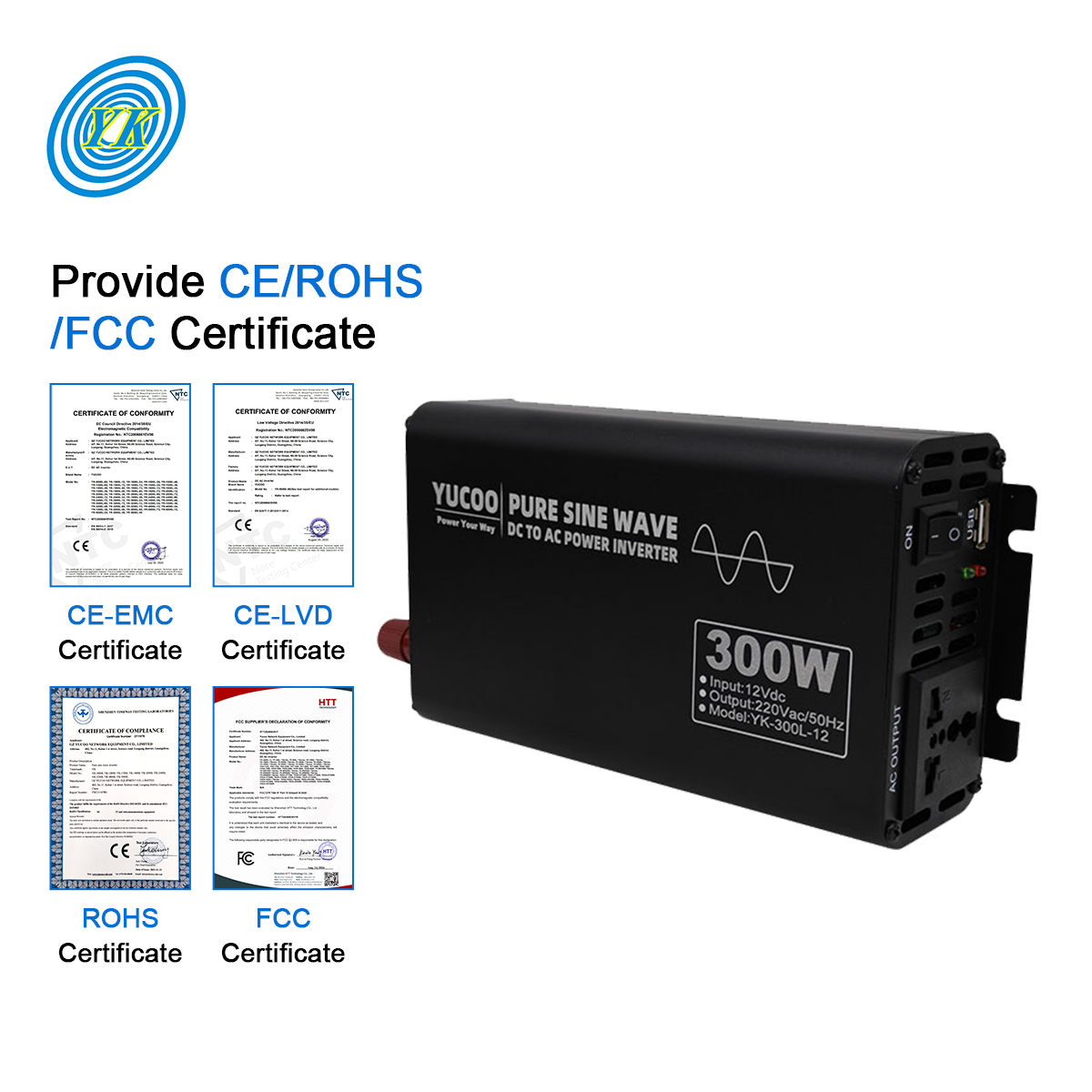
Our quality management infrastructure operates under ISO 9001:2015 certification. Product series carry verified CE, RoHS, and FCC test reports, with complete technical documentation to support expedited Eurasian Economic Union EAC customs clearance.
24/7 Global Engineering & Logistics Support
Supported by a responsive engineering team maintaining a 98.2% response rate, we offer transparent Incoterms (FOB, CIF, FCA, DDP) and multi-currency contract billing, with direct freight routing via China-Europe rail directly into Minsk hubs.
Frequently Asked Questions: Plating Rectifiers in Belarus
Critical considerations regarding electrical standards, grid variations, cooling choices, and importation protocols.
Q1: How does electrical grid stability in Belarus affect rectifier sizing?
Industrial three-phase power in Belarus operates at nominal 380V/400V 50Hz, but heavy factory zones frequently experience voltage sags of ±10% to ±15%. We recommend specifying rectifiers with wide input voltage tolerance (340V to 440V AC) and built-in active power factor correction (PFC) to maintain constant current output during grid sags.
Q2: What certifications are mandatory for importing into Belarus?
Industrial plating rectifiers must comply with the Eurasian Economic Union (EAEU) technical regulations: TR CU 004/2011 (Low Voltage Equipment Safety) and TR CU 020/2011 (Electromagnetic Compatibility). Manufacturers must supply CE Declarations of Conformity, ISO 9001:2015 certificates, and detailed test reports to facilitate EAC declaration registration.
Q3: Should we choose forced-air or water cooling for Belarusian winters?
In Belarusian winter conditions (where temperatures drop below -20°C), unheated chemical storage areas can freeze standard water lines. Closed-loop water cooling with glycol-water mixture or sealed air-water heat exchangers is ideal for large installations (>1,000A) to keep corrosive ambient acid fumes out of the power electronics enclosure.
Q4: Why is output ripple critical for hard chromium coating on tractor parts?
High current ripple (exceeding 3%) alters deposition kinetics, creating uneven hexavalent/trivalent chromium ion migration. This results in dull finishes, micro-cracks, and reduced Vickers hardness. High-frequency switch-mode IGBT rectifiers keep ripple under 1.5–2.0%, ensuring optimal crystalline density on hydraulic rods.
Q5: Can Chinese power equipment integrate into existing European SCADA systems?
Yes. Modern industrial rectifiers from Varnix feature standard isolated RS-485 serial interfaces utilizing Modbus RTU, 0–10V, or 4–20mA analog telemetry. This enables direct drop-in integration with Siemens S7, Schneider, or Omron PLCs controlling automated hoist and tank lines across Belarusian facilities.
Q6: What is the typical lead time and shipping route to Minsk?
Standard catalogue units ship within 7–14 days, while custom engineered high-current rectifiers require 3–4 weeks for fabrication and 100% full-load burn-in testing. Shipments reach Belarus via the Eurasian rail corridor (Chengdu/Chongqing to Minsk/Kolyadichi terminal) in approximately 16–22 days, providing an optimal balance of cost and speed.
Request Custom Rectifier Engineering & Pricing
Consult with our senior power electronics engineers to specify the exact voltage, current capacity, ripple parameters, and enclosure requirements for your electroplating, anodizing, or surface finishing facility in Belarus.