IP67 Step-Up
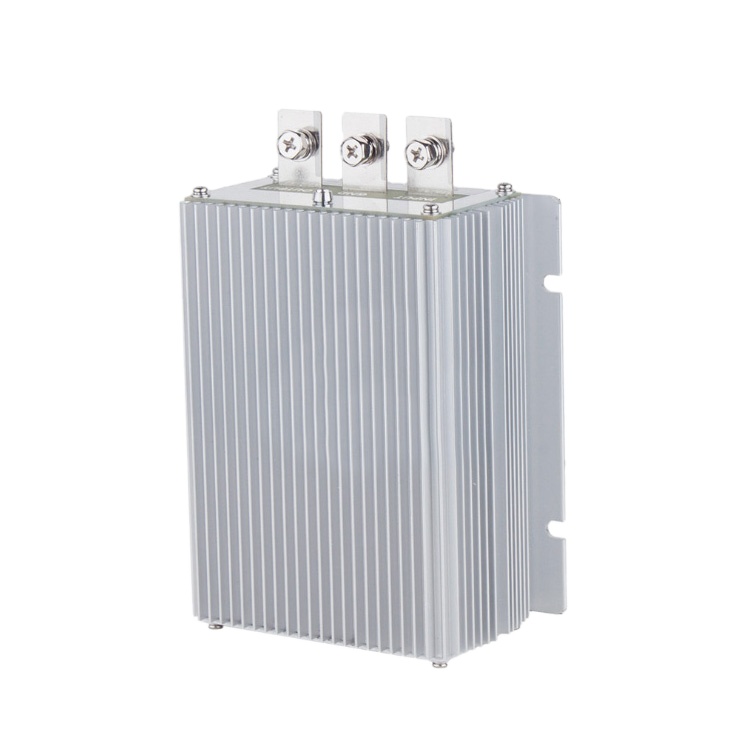
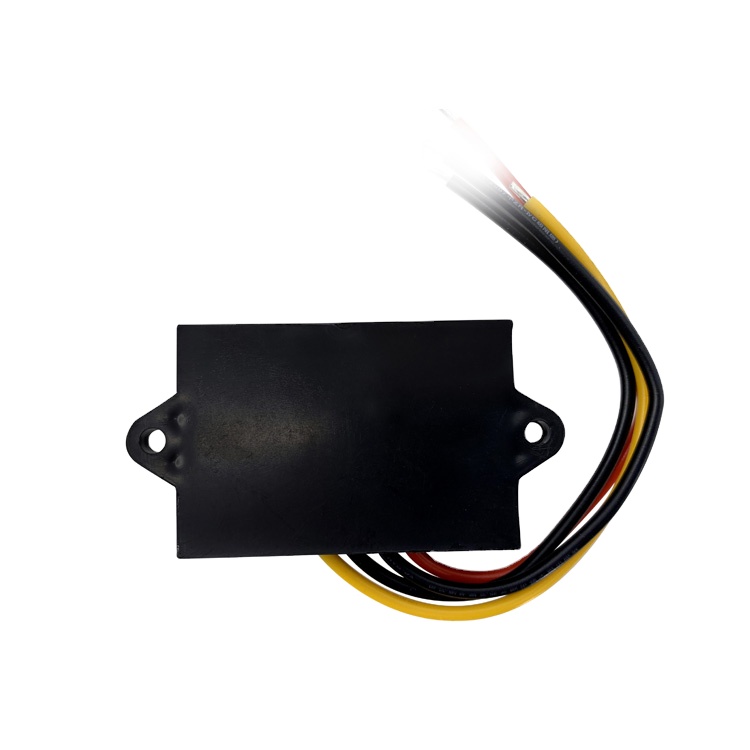
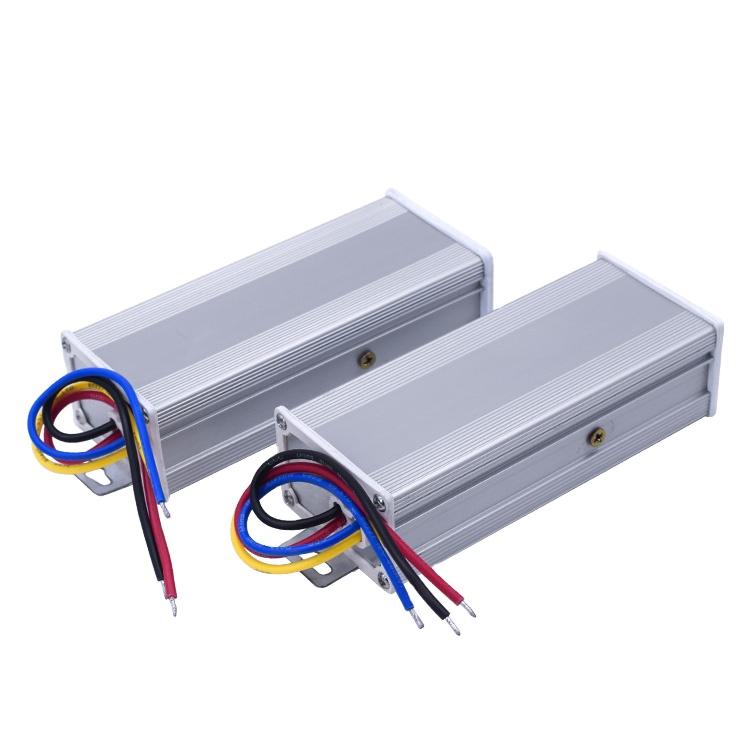
High Efficiency 1440W 36V to 48V 30A Boost Waterproof IP67 Step up DC to DC Converters
- EfficiencyUp to 96%
- Ingress RatingIP67 Aluminum
- Output Current30 Amperes
Tested under rigorous 100% full-load burn-in conditions. Certified compliant with ISO 9001:2015, CE, RoHS, and FCC protocols.
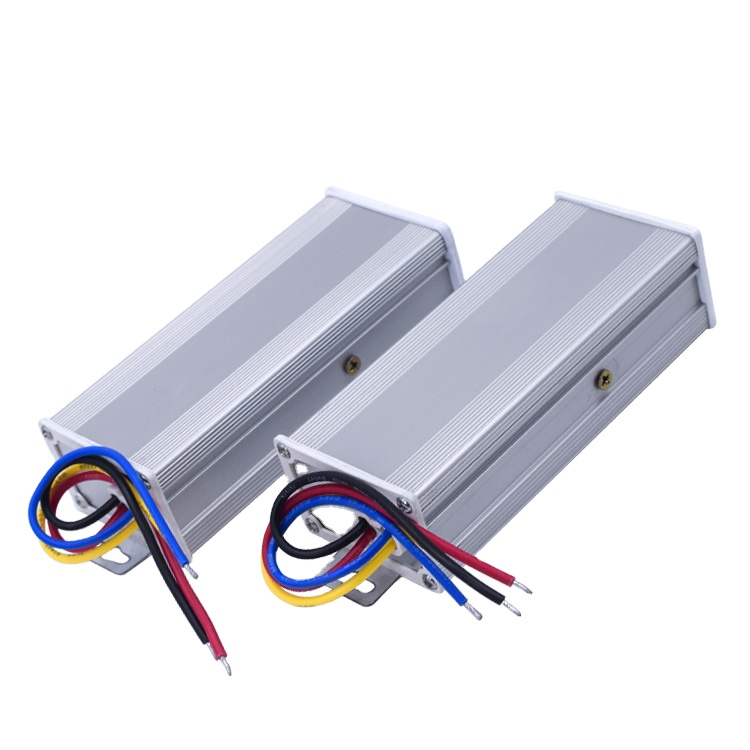
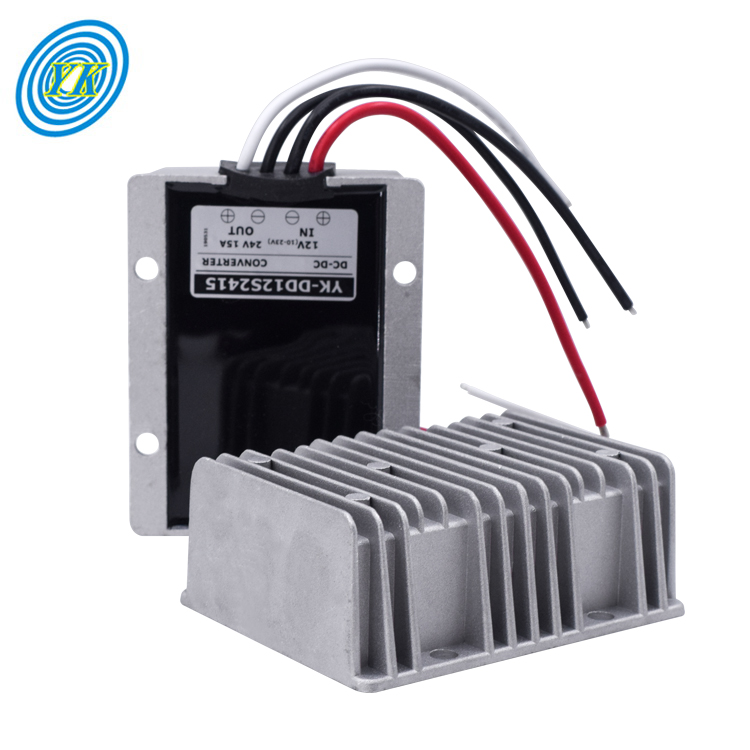

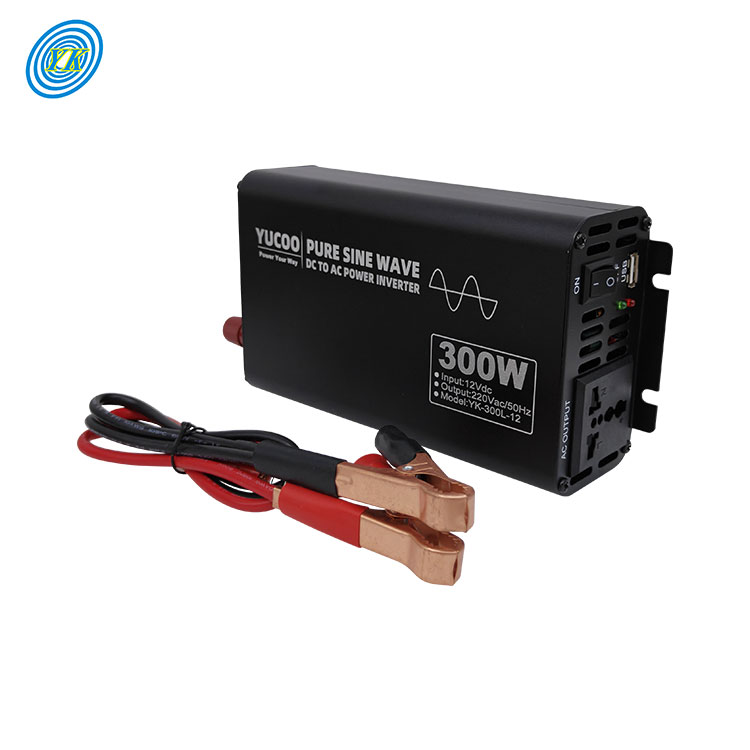
Years Power Manufacturing
Burn-In & Aging Tested
SGS Verified Technicians
Field Reliability Rate
Direct supply-chain integrity, custom hardware engineering, and comprehensive verification since 2003.
Full design-based and sample-based engineering flexibility. We customize dynamic input/output voltages, switching frequencies, aluminum extruded heat sinks, interface protocols, and custom packaging backed by 23+ years of specialized R&D experience.
Every conversion unit is built within an audited facility running 10+ modernized production lines. Quality protocols enforce 100% full-load thermal burn-in, oscilloscope ripple/noise validation, high-potential withstand tests, and international CE, RoHS, and FCC compliance.
Eliminate project delays via versatile shipping terms (FOB, CIF, EXW, FCA, DDP). Fast-moving DC-DC step-down and step-up modules are systematically pre-stocked in our local US overseas warehouse, expediting critical engineering replacements and volume distributions.
Modern electronic infrastructure demands unmatched electrical stability, power density, and conversion efficiency. In mission-critical telecommunications, off-grid renewable storage, railway systems, and heavy industrial automation, power supply units (PSUs) and DC-DC converters are no longer secondary components—they are central determinants of system Mean Time Between Failures (MTBF). When vetting the world's Top 10 Power Supply Factories & Suppliers, procurement executives must look beyond unit purchase cost and thoroughly evaluate total cost of ownership (TCO), thermal topology, galvanic insulation thresholds, and silicon semiconductor adoption.
Traditional silicon-based MOSFET power supplies are encountering physical limits regarding switching speed and heat dissipation. The migration toward Wide Bandgap (WBG) Semiconductors—notably Gallium Nitride (GaN) and Silicon Carbide (SiC)—is fundamentally shifting industrial power conversion. Operating at significantly higher frequencies with fractional switching losses, SiC and GaN empower converters to achieve power densities previously unfeasible in sealed, IP67 waterproof aluminum chassis. This transition allows industrial hardware engineers to design compact, high-amperage systems capable of enduring fluctuating battery banks (such as 40V–135V DC rails in rail and telecom cabinets) without suffering thermal derating.
Next-generation switching stages leverage Wide Bandgap semiconductors to reduce thermal resistance, drive efficiency past 96%, and allow fanless passive dissipation in extreme ambient temperatures (-40°C to +85°C).
Integration of PMBus, CANbus, and RS485 communication within telecom rectifiers and programmable supplies enables predictive component health diagnostics, remote voltage trims, and active current sharing.
Demands for high-voltage DC stepping (such as 48V/72V/96V EV and heavy machinery down to 12V auxiliary rails) require robust 1.5kV–3kV galvanic isolation to eliminate ground loop interference and voltage spikes.
Systematic criteria for vetting top-tier power supply manufacturers versus commercial intermediaries.
| Evaluation Parameter | Tier-1 Factory Direct (e.g., Varnix / YUCOO) | Trading Intermediaries / Assemblers | Critical Sourcing Impact |
|---|---|---|---|
| Aging & Burn-In Testing | 100% full-load thermal burn-in with dynamic voltage cycling | Random sampling or bypassed to lower factory test cycles | Eliminates infant mortality and field catastrophic failure |
| Topological Customization | Bespoke circuit layouts, winding modifications, custom potting | Restricted to static catalog specifications & rebadging | Ensures exact compatibility with non-standard DC source rails |
| Galvanic Isolation Standards | Verified 1500VDC–3000VDC isolation with certified optocouplers | Often non-isolated common-ground buck designs sold as isolated | Protects sensitive PLCs, industrial sensors, and telemetry systems |
| Supply Chain & Buffer Stock | Strategic multi-region inventory (including US local logistics) | Extended 8–12 week drop-ship lead times from overseas | Mitigates assembly line shutdown and spare part downtime |
| Regulatory Documentation | Full CE, RoHS, FCC test reports and verifiable DoC files | Generic self-declarations lacking verified lab test reports | Guarantees seamless international customs and market clearance |
Essential technical and logistical answers for B2B supply chain managers and project engineers.
Isolated converters utilize a high-frequency transformer barrier to physically separate the input ground from the output ground. This eliminates noise transmission, prevents severe ground loop currents, and protects low-voltage controllers (12V/5V) against catastrophic primary circuit overvoltages (such as 40V–135V surges on railway or EV battery networks). Non-isolated topologies share a common negative rail, offering higher efficiency and compact footprints where ground loops are absent.
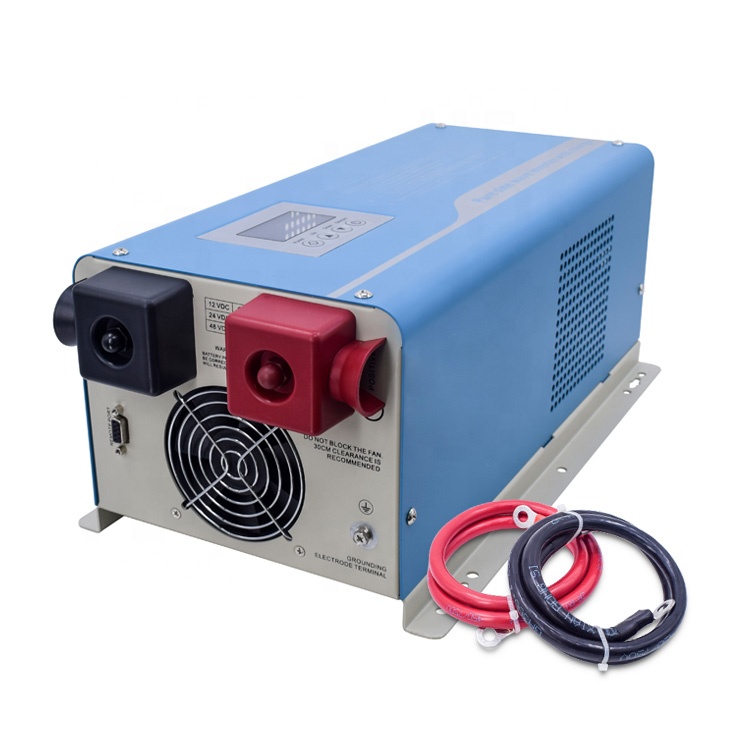
Inductive and reactive loads—such as AC motors, refrigeration compressors, toroidal transformers, and medical monitoring devices—require a clean, low-distortion harmonic profile (THD < 3%). Modified sine waves generate rapid voltage step-transitions, inducing excessive eddy current heating, audible coil vibration, premature insulation breakdown, and frequent protective tripping in downstream equipment.
Vacuum-injected thermally conductive polyurethane or silicone potting compound fills every void within the aluminum enclosure. This process serves three functions: it displaces moisture and ambient air (achieving true IP67 waterproofing), transfers internal heat from power transistors directly to the finned exterior casing, and protects fragile surface-mount components from extreme mechanical vibration and shock.
To deliver an accurate engineering appraisal, supply your minimum and maximum input DC/AC voltage envelope, target regulated output voltage, continuous and peak amperage, target operating ambient temperature, ingress protection requirement (IP65/IP67/open frame), preferred connectors, and expected annual production volumes.
Consult with our factory senior applications engineers to obtain tailored 3D CAD step models, comprehensive datasheets, and tier-1 volume quotation matrices.
Get a Quote