Featured Power Conversion & Charging Equipment
Direct manufacturing capacity from Varnix Technology Co., Ltd. delivering robust pure sine wave inverters, buck-boost converters, and multi-stage programmable chargers for North American utility, renewable, and mobile applications.
23+
Years Power Engineering
ISO 9001
Certified Quality System
<3%
Total Harmonic Distortion
5,280 ft
Denver Altitude Optimized
Technical Whitepaper: Industrial Charging & Power Architecture in Denver’s Operating Conditions
Procuring and deploying industrial CE certified lithium battery chargers, DC-DC step-down converters, and off-grid inverter platforms within Denver, Colorado, presents a distinct set of multidisciplinary engineering challenges. Sitting at an altitude of approximately 5,280 feet (1,609 meters) above sea level—and extending well above 9,000 feet in surrounding Front Range testing and telecommunication sites—the Mile High region exhibits reduced atmospheric pressure and thinner air density. In power conversion engineering, air density plays a critical role in convection cooling and dielectric breakdown voltage (Paschen’s Law). Standard commercial off-the-shelf charging hardware engineered strictly for sea-level pressures experiences accelerated thermal accumulation and diminished heat dissipation capacity across switching MOSFETs, high-frequency magnetic transformers, and internal bridge rectifiers.
As an established manufacturer since 2003 with verified ISO 9001:2015 quality processes, Varnix addresses these environmental dynamics through customized PCB layout clearances, oversized extruded anodized aluminum thermal heat sinks, and derated active cooling architectures. For local Colorado contractors, aerospace integrators, automated logistics centers, and telecom infrastructure providers, deploying charging and power conversion equipment demands robust testing protocols. All lithium iron phosphate (LiFePO4) and ternary lithium (NMC) battery arrays require tightly regulated constant current / constant voltage (CC/CV) profiles, programmable high-voltage cut-offs, zero-voltage start features, and comprehensive protection against high-altitude dielectric arcing.
Localized Application Scenarios Throughout Denver & Colorado
From the warehouse corridors of Aurora and Commerce City to mountainous mining, research, and telecom installations, our power systems run demanding critical operations.
E-Commerce & Cold-Chain AGVs
Industrial logistics hubs along the I-70 corridor and Denver International Airport (DIA) cargo hubs utilize our high-efficiency 24V, 36V, and 48V smart lithium battery chargers to keep automated guided vehicles (AGVs) and warehouse class 1-3 forklifts operating with opportunistic fast charging throughout multi-shift schedules.
High-Country Off-Grid Solar & BESS
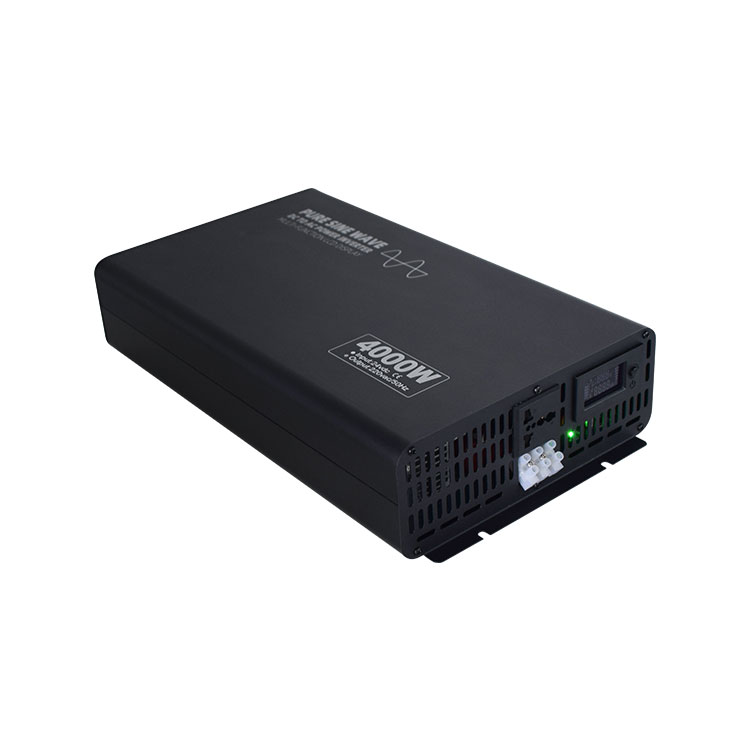
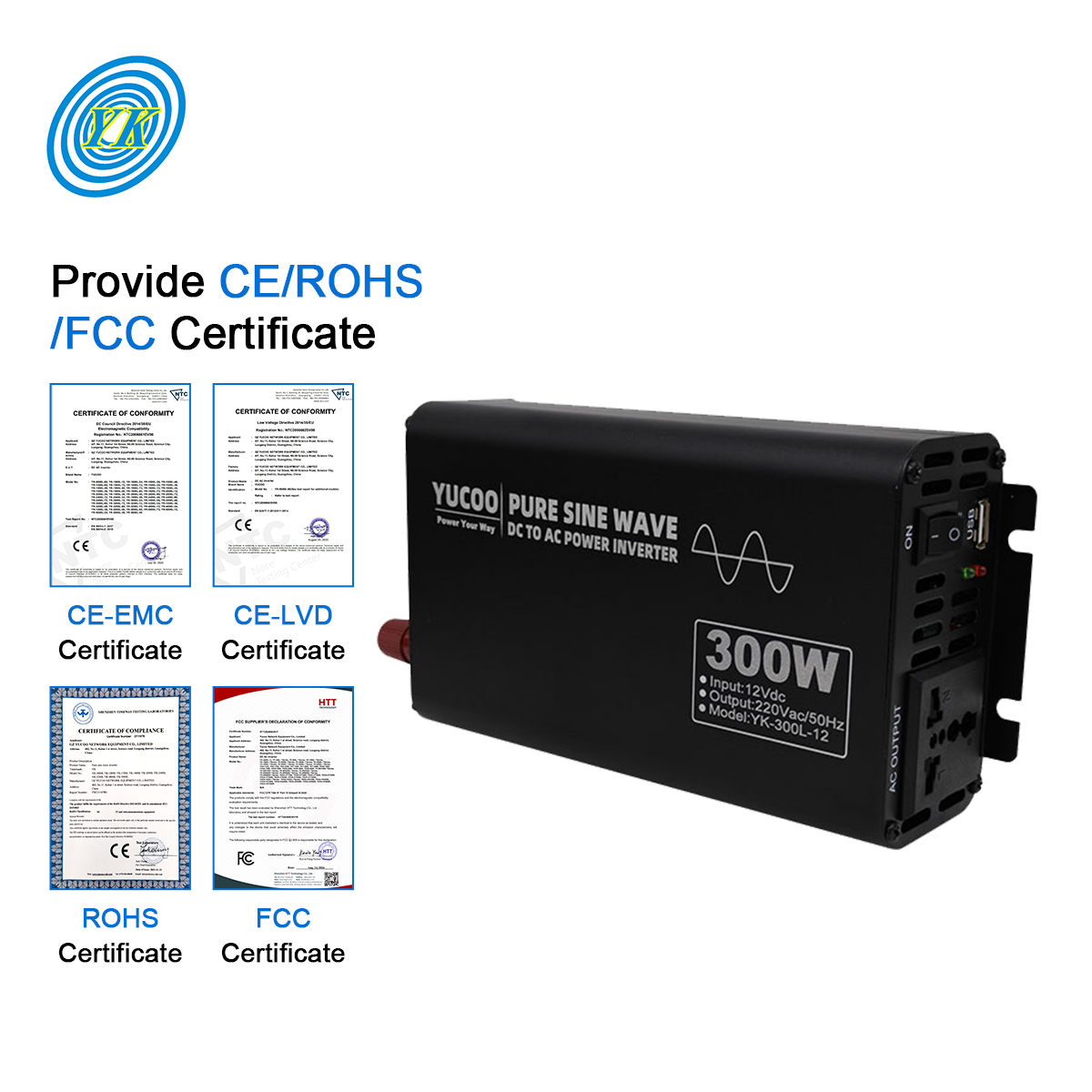
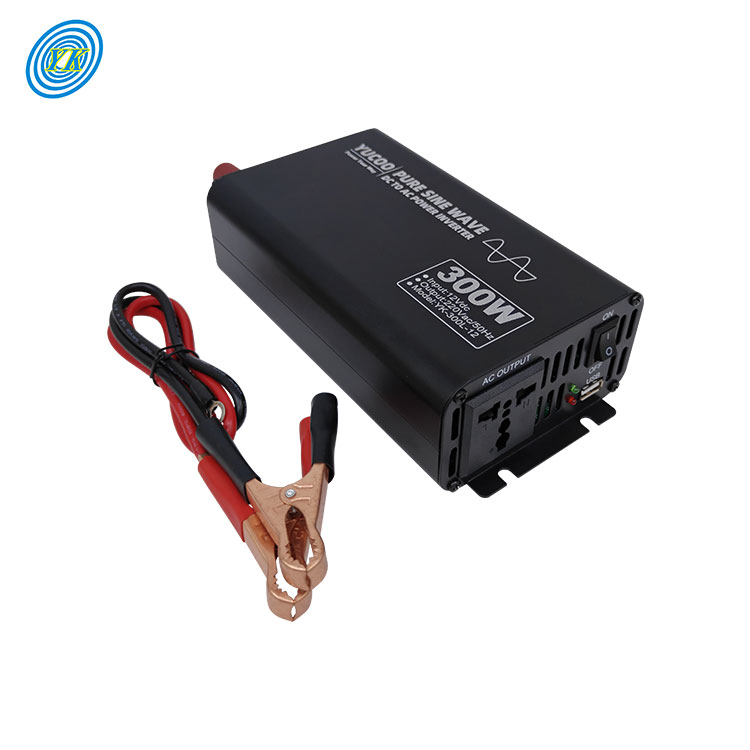
Off-grid installations across the Rocky Mountain foothills demand our pure sine wave inverters and all-in-one MPPT solar chargers. Delivering clean DC-to-AC conversion with low total harmonic distortion (<3%), our units eliminate inductive hum in sensitive lab apparatus, communications gear, and backup home battery storage banks.
Telecom Repeaters & Edge Infrastructure
Base transceiver stations deployed at elevated sites such as Lookout Mountain and remote mountain passes rely on our isolated DC-DC converters and embedded 19-inch 48V telecom rectifiers. High electrical isolation and military-grade potting insulate sensitive microwave links against erratic line transients and ground loops.
Overland RV & Mobile Utility Fleets
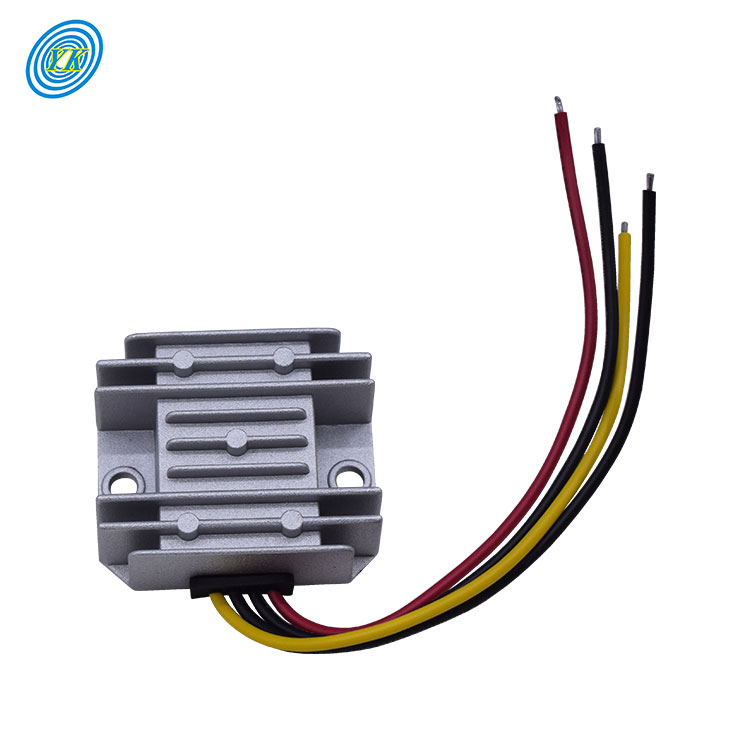
Colorado is a national leader in overland expeditions, service van customization, and mobile field laboratories. Our multi-input DC buck-boost regulators and compact 300W-3000W pure sine wave car inverters convert variable alternator outputs and high-capacity auxiliary lithium banks into reliable utility power.
Mining & Heavy Industrial Manufacturing
Heavy aggregate processing and industrial surface facilities around Adams and Weld counties use our industrial electroplating switching power supplies and high-current AC-DC rectifiers to conduct continuous electrolytic treatments, cathodic protection, and component burn-in under heavy duty cycles.
Satellite Terminals & Mobile Field Comms
Field survey teams operating throughout the Continental Divide utilize our specialized Starlink Mini DC step-up converters (converting 12V/24V native battery banks to stabilized 30V-36V feeds), ensuring uninterrupted satellite communication without inefficient dual-inversion stages.
Denver & Regional Industrial Electrification Trends
The state of Colorado’s aggressive Clean Energy Plan and Denver’s Climate Action, Sustainability & Resiliency directives have substantially accelerated the electrification of commercial equipment, transport fleets, and municipal utility infrastructure. Over the past five years, the transition away from internal combustion forklifts toward lithium-ion (LiFePO4) material handling hardware across the central Denver industrial cluster has surged by more than 38%. Warehousing operators are moving away from traditional lead-acid battery technology due to the latter’s lengthy charge times, strict equalization requirements, acid spill risks, and susceptibility to low ambient temperatures during Front Range winter freezes.
Simultaneously, the expansion of municipal distributed energy resources (DER) and microgrids across mountainous municipalities has driven strong demand for CE and UL-compliant smart battery chargers capable of interfacing with intelligent Battery Management Systems (BMS) via CAN bus, RS485, or Modbus protocols. When ambient winter temperatures drop well below 0°F (-18°C), lithium charging architectures must incorporate dynamic pre-heating routines or low-temperature current fold-back mechanisms. Charging lithium cells at sub-freezing temperatures without an intelligent, temperature-compensated algorithm risks permanent lithium plating on the graphite anode, inducing internal short circuits and catastrophic cell failure. Varnix addresses this through embedded MCU-controlled multi-stage algorithms, providing programmable current ramp-up, precise temperature sensor monitoring, and automated low-temperature lockouts.
Engineering Rigor & Factory Capabilities Since 2003
We do not broker components; we engineer, manufacture, and systematically burn-in test our hardware in our dedicated facility, ensuring rigorous adherence to international standards.
ISO 9001:2015 & SGS Audited
Our 1,229 square meter manufacturing facility is fully verified onsite by SGS Group. Production follows ISO 9001:2015 certified quality management systems across all 10+ operational lines, from incoming component acceptance to final crating.
100% Full-Load Burn-In Racks
Infant mortality rates in power electronics are virtually eliminated in our facility. Every lithium battery charger, inverter, and DC-DC converter undergoes mandatory aging chamber testing under 100% full-load duty cycles prior to packaging and shipping.
Complete OEM/ODM Flexibility
We support full-scope custom engineering for private label distribution in North America. Options include custom enclosure metalwork, bespoke CC/CV voltage thresholds for unique battery cell configurations, waterproof IP67 potting, and integrated telemetry.
 Precision PCB Soldering
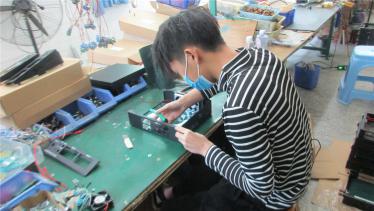 Assembly & Subsystem Wiring
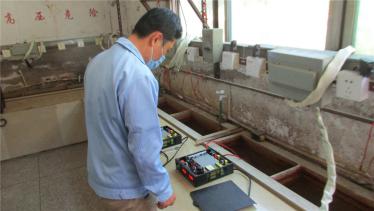 Full-Load Aging (Burn-in) Test
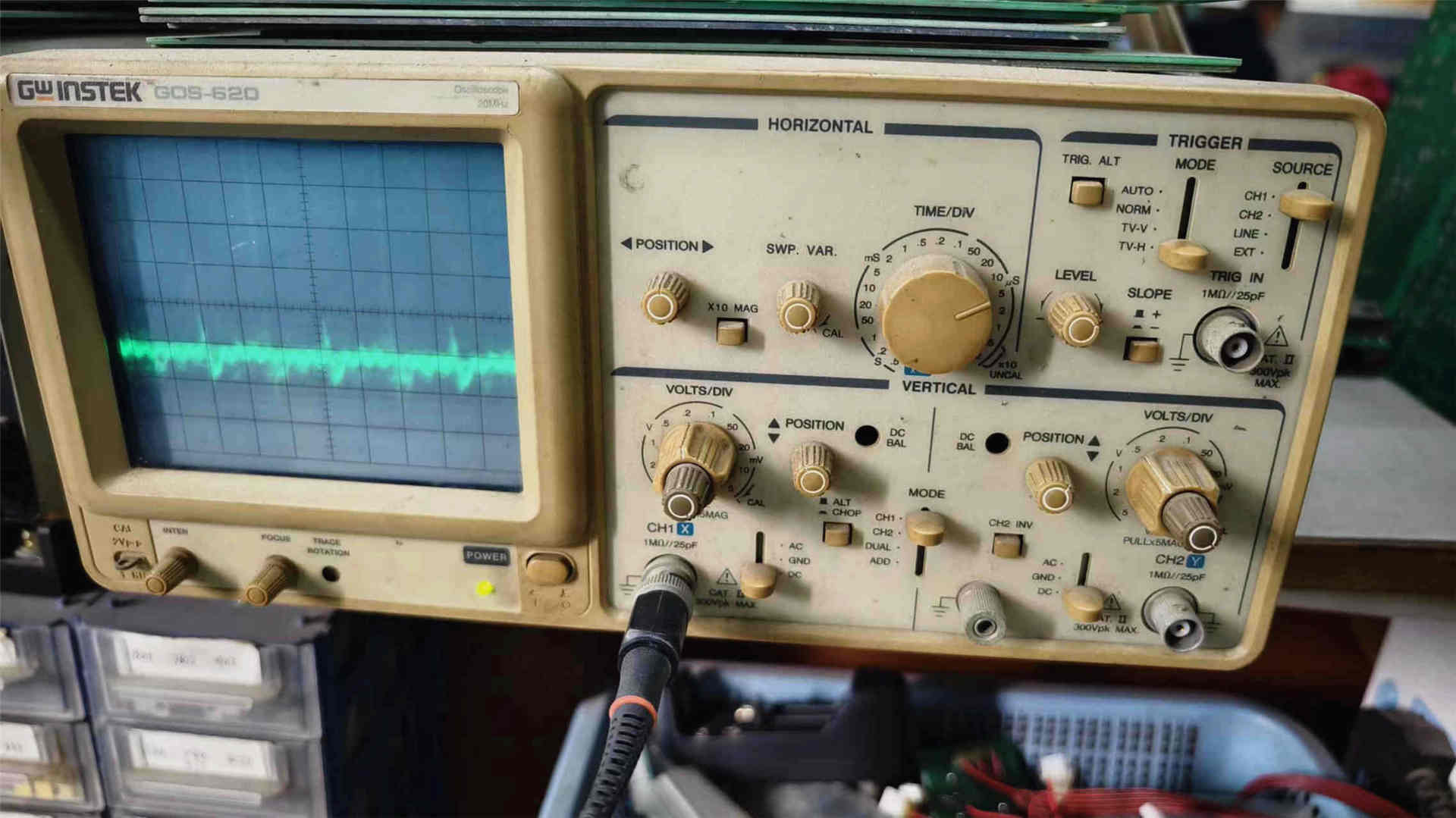 Oscilloscope Waveform QC
Purchasing & Technical Assurance
Frequently Asked Questions: Denver Lithium Charger Procurement
Clear, direct answers for electrical contractors, fleet engineers, and procurement directors evaluating power conversion hardware along the Front Range.
Q1: How does Denver's 5,280 ft altitude impact charger performance?
Higher altitudes exhibit reduced air density, which lowers heat transfer via forced air convection and slightly decreases dielectric breakdown thresholds. For high-duty cycle applications above 5,000 feet, we recommend either sizing chargers with a 15-20% thermal safety headroom or specifying models equipped with our heavy extruded aluminum heat sinks and dual ball-bearing active cooling fans.
Q2: Are Varnix battery chargers compatible with third-party BMS?
Yes. Our industrial lithium battery chargers feature customizable constant current (CC) and constant voltage (CV) stages, along with automatic float and trickle cutoff points. On selected OEM configurations, we integrate CAN 2.0B, RS485, or analog enable interfaces to coordinate charge curves with battery management systems.
Q3: What compliance standards and certifications do these units carry?
Our complete power equipment range is built in compliance with international safety and electromagnetic standards, bearing CE, RoHS, and FCC markings. Factory operations run under certified ISO 9001:2015 quality standards, and formal Declaration of Conformity (DoC) documentation accompanies commercial shipments.
Q4: Can your equipment operate during sub-zero Colorado winter conditions?
Yes. We offer extended industrial temperature options (-40°C to +60°C) with conformal PCB coatings and complete silicone potting on our waterproof converters (IP67). For lithium battery applications, we support integrated cold-temperature cutoffs to prevent charging below 0°C without active battery heating.
Q5: What are the standard lead times and shipping terms for US delivery?
For high-runner DC-DC step-down modules and inverters, select inventory is stocked in our US overseas partner warehouses for rapid regional delivery. Factory direct OEM production runs ship under flexible international trade terms including FOB, CIF, DDU, and door-to-door DDP directly to your Denver facility.
Q6: What is the Minimum Order Quantity (MOQ) for custom voltages?
Standard catalog units frequently feature low MOQs starting at 1 to 10 sets. Custom output voltages (e.g., non-standard 54.6V, 58.4V, or 73V lithium cutoffs), bespoke wiring harness terminations, and private label silkscreening are quoted according to your project's technical scope and order volume.